Monday, 11 March 2013

A Brief History of... Post-Modern Cinema

I Intend to explore the relationship between:


1. Post- 1970s film.

2. Emergence of post-modernism in cinema.

3. What makes a film post modern.

4. How post-modern cinema differs from modern cinema.

5. Directors approach to post-modern cinema - Tarantino, Nolan, Hitchcock, Coen Bros, Fincher, Scorsese.


I intend to:

Inform and educate an audience on post-modern cinema; what makes a film post-modern; how directors approach varies; reaction to some of the more controversial films involved and how they were received; compare to modern style films (stereotypical action/romantic/comedy); story behind the production; intention of making it.


...a group of

People interested in cinema as a whole or enthusiasm/interest in this style of film, maybe directed at a younger audience to educate those who may not have experienced the controversy that some of these films caused when they were first released, but readable for all ages and not made obvious that directed at a younger audience.


...that

These films were produced to shock and most of them possess some sort of message/interpretation/observation about the society of the time. The story behind the production of these films sometimes contributed greatly to the finished product, how did the time in which these films were released and made contribute to their success/reception.


In order to achieve this I will produce...

A book or zine that explores a selection of films individually, the intention behind the production, the reception, the message etc.

Wednesday, 27 February 2013

A Brief History of... Post-modernist cinema

After looking at the layout designs that I preferred I decided that these were the styles in which I wanted to make my publication, keeping it minimal and varying focal points on the page between image and type.

I chose to base it on Post-modernist design, focusing on Post-modernist cinema, a category which includes some of my favourite films.

Post-modern films are designed to go against previous conventions of films, the characters and structure of the films subvert films that are considered more mainstream. They tend to do the opposite to more typical portrayals of race, gender and time. Post-modernist film falls into several categories:
- Pastiche - quite controversial and tongue-in-cheek
- Flattening of Affect - focuses on technology, drugs, violence and their ability to affect peoples lives, sometimes making them seem emotionless
- Hyperreality - Realities created showing advance in technology
- Time-bending - has either a time travel or 'what if' theme
- More Human than Human - something that will change or replace humanity - robots or artificial intelligence.

Examples of post-modern films and directors:

Coen Brothers

Fargo


The Big Lebowski


No Country For Old Men


True Grit


Quentin Tarantino:

Reservoir Dogs


Pulp Fiction


Jackie Brown


Kill Bill Vol. I and II


Inglorious Basterds


Django Unchained


Wes Anderson

Fantastic Mr Fox


The Darleeging Limited


Christopher Nolan

Memento


Inception


Batman Trilogy


David Fincher

Fight Club


Seven


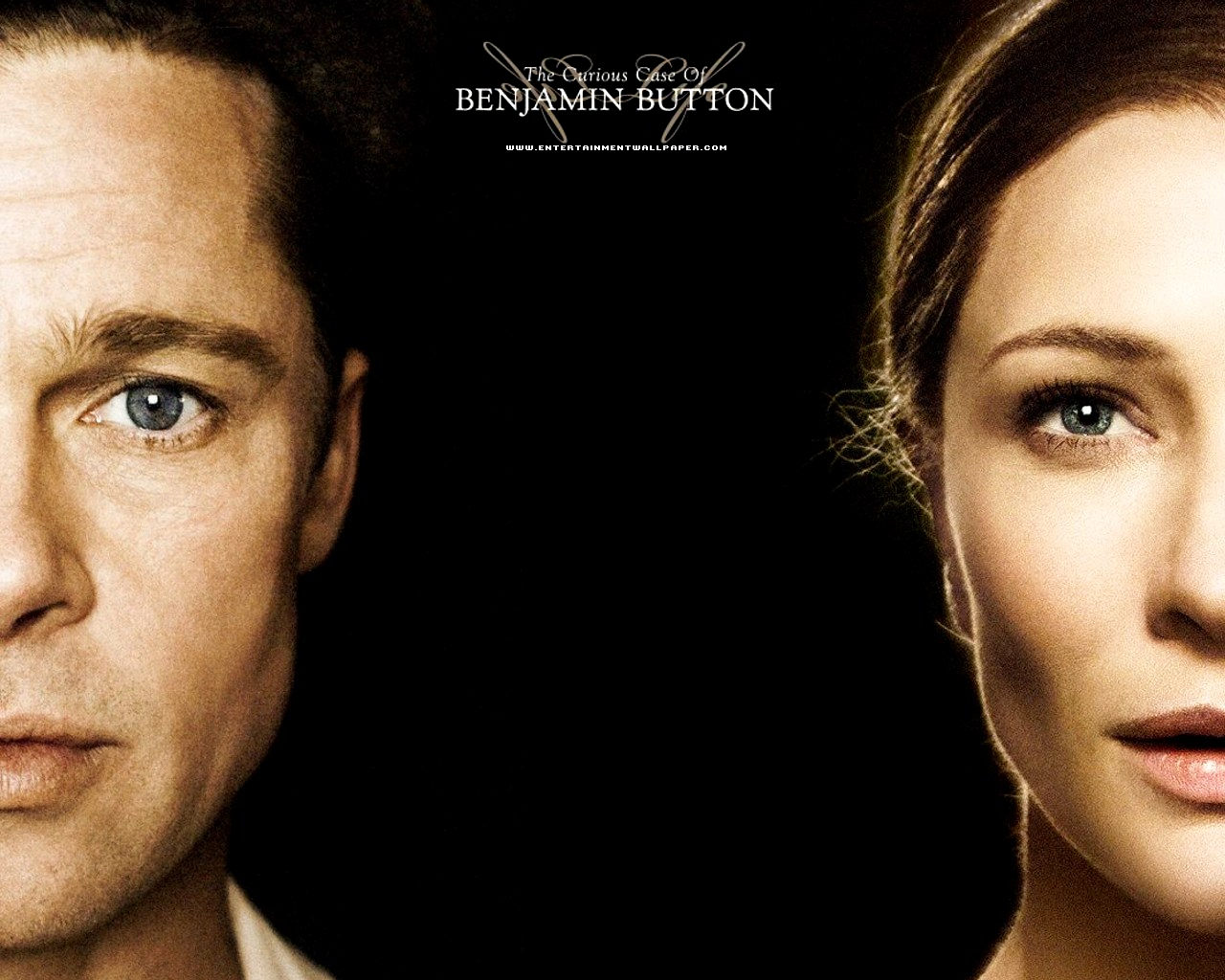
The Curious Case Of Benjamin Button


The Social Network


The Girl With The Dragon Tattoo


Other Directors

Sin City - Robert Rodriguez


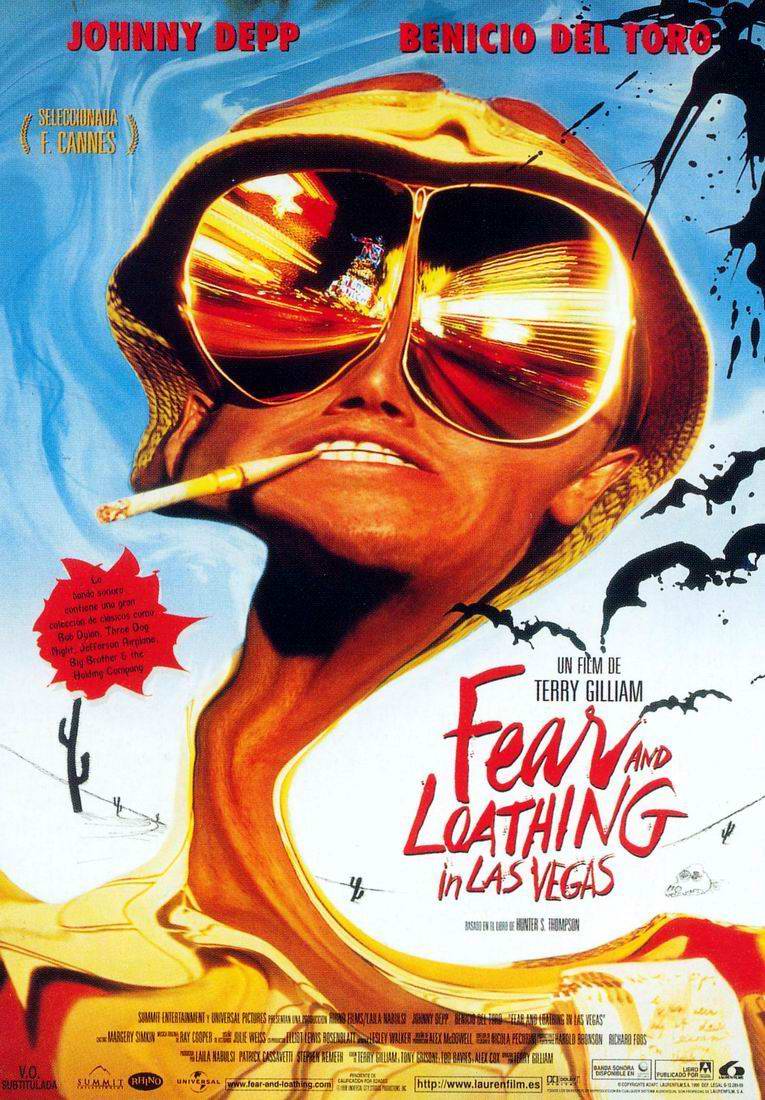
Fear And Loathing In Las Vegas - Martin Scorsese


Donnie Darko - Richard Kelly


American Psycho - Mary Harron


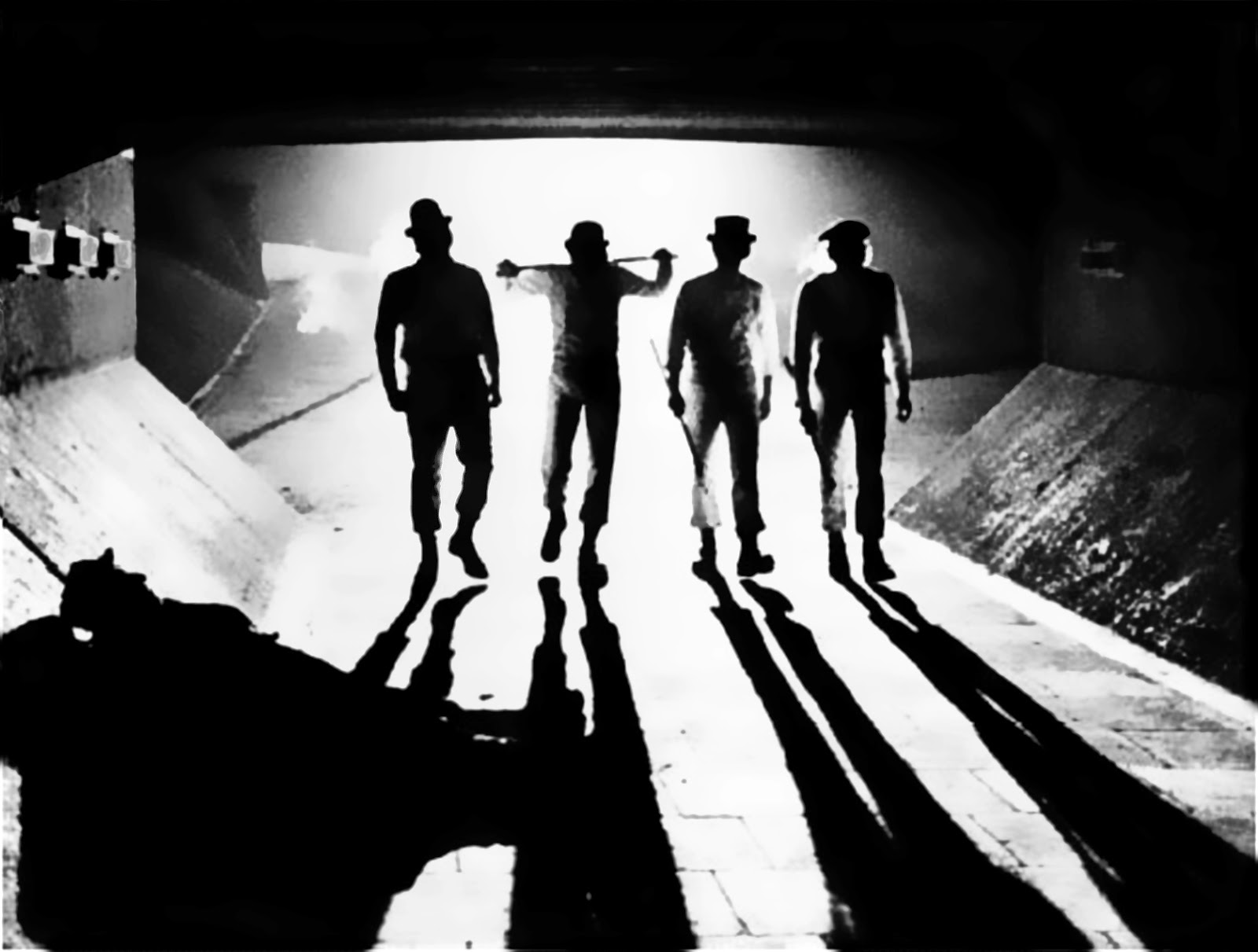
A Clockwork Orange - Stanley Kubrick


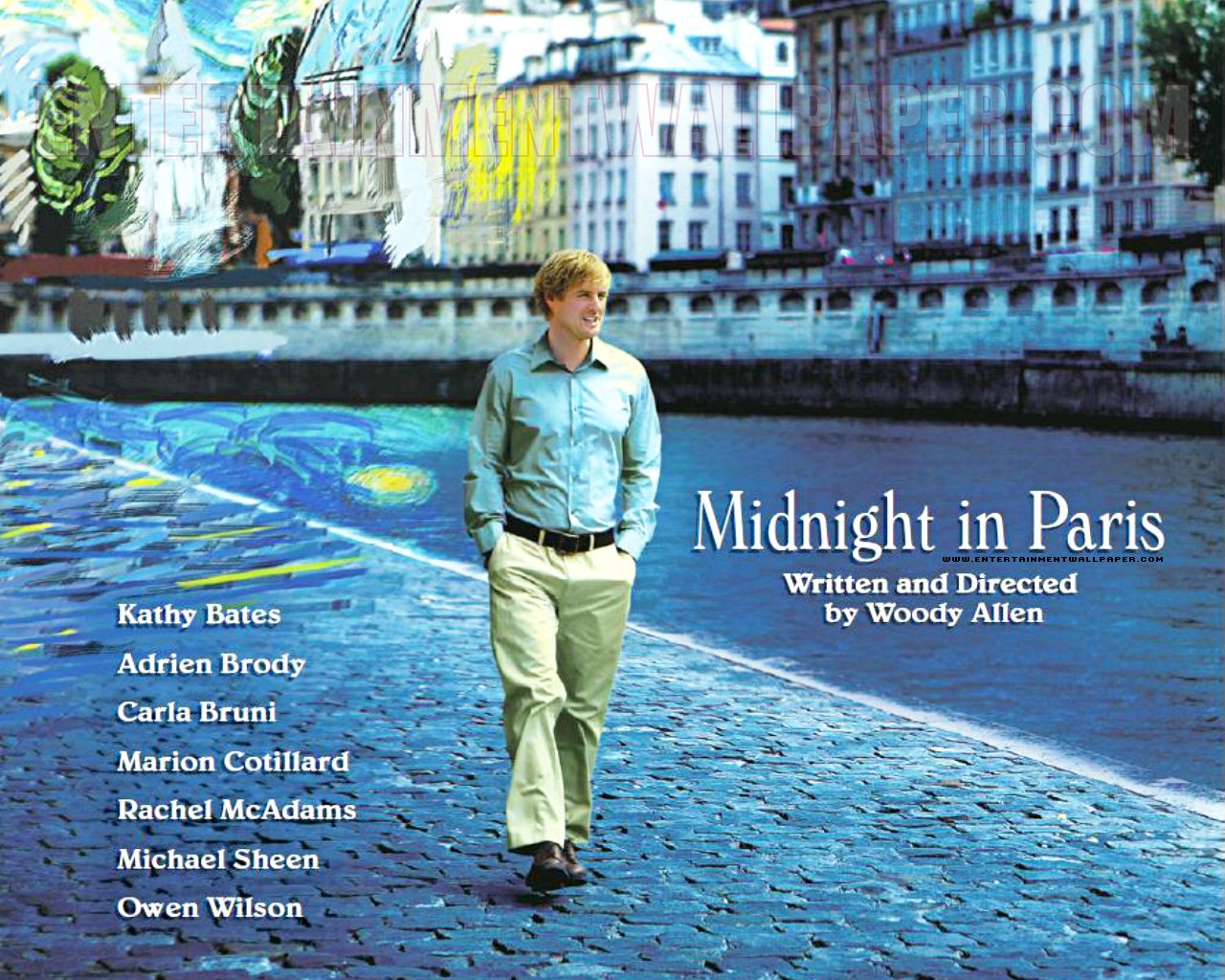
Midnight in Paris - Woody Allen


The Usual Suspects - Bryan Singer


Drive - Nicholas Winding Refn


American Beauty - Sam Mendes


Shutter Island - Martin Scorsese